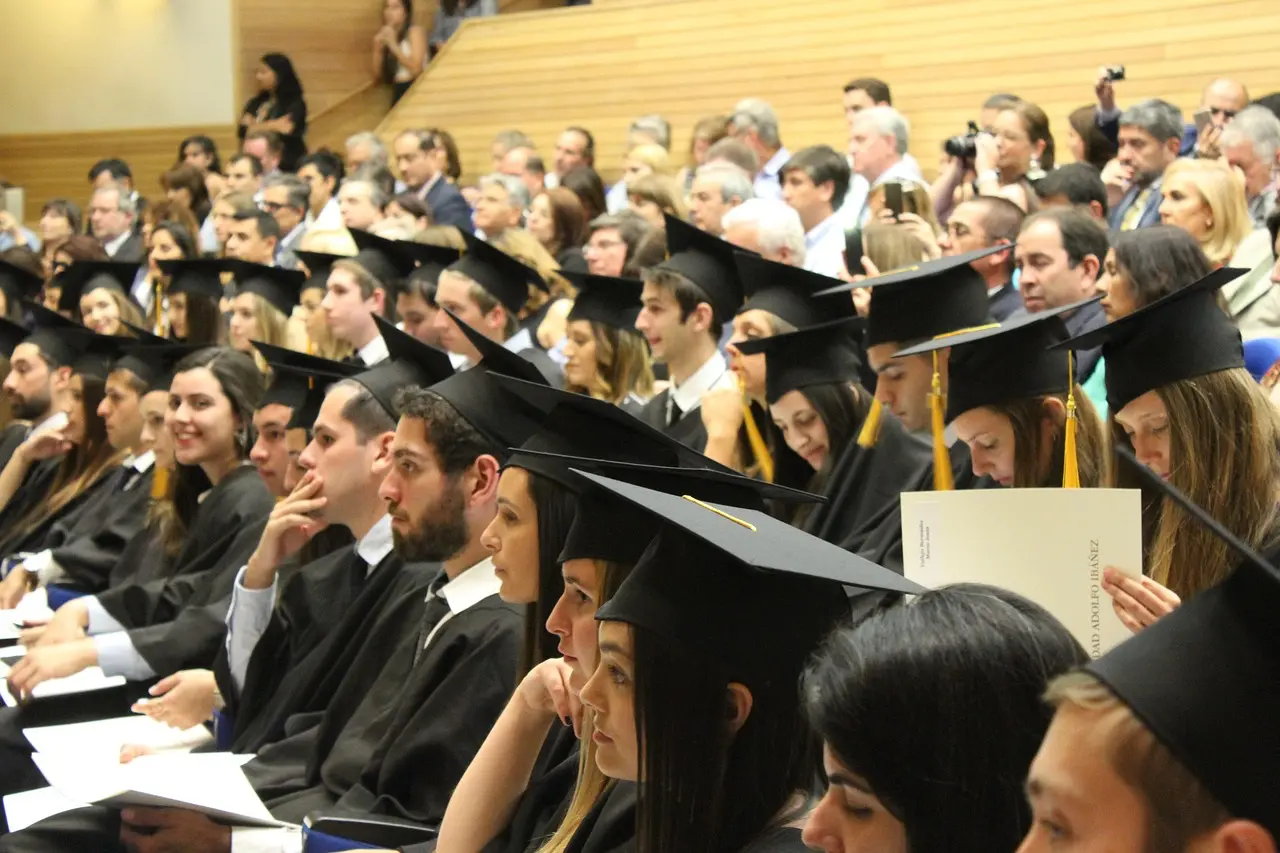
Graduates without job is a nightmare. Graduation should mark the start of a successful career. For many, though, it opens the door to frustration. Emails go unanswered, interviews remain elusive, and doubt begins to grow. Sadly, the rise of graduates without jobs has become a common trend. Every year, students step off the stage with pride and hope. A few months later, many find themselves searching for answers instead of opportunities. The problem isn’t their motivation, it’s the missing strategy.
The Harsh Reality Facing New Graduates Without Jobs
Today’s job market expects more than academic credentials. Employers don’t just hire based on degrees; they hire based on value. Most students, however, are never taught how to express that value. Graduates leave college with knowledge but not direction. They can explain complex ideas but struggle to pitch their strengths in a job interview. That gap creates confusion, delays, and disappointment.
Why Degrees Alone Are Not Enough
Earning a degree shows discipline and effort. It signals dedication. Yet, in today’s world, it’s no longer a ticket to success. Most applicants now hold degrees, which means a diploma doesn’t set anyone apart—it merely meets the minimum. Colleges rarely teach students how to communicate their value. They don’t offer frameworks for job hunting or real-world positioning. As a result, many students enter the workforce prepared to work hard, but not prepared to stand out. That’s exactly how so many become graduates without jobs—talented, capable, but overlooked.
The Growing Problem of Graduates Without Jobs
The phrase “graduates without jobs” describes more than just a statistic. It reflects a growing system failure. Students are trained for exams, not for execution. They build knowledge but lack the tools to apply it where it matters most, in real career paths. Once they graduate, they follow a path that no longer works. They apply online, tweak their resumes, and wait. Without a strategy, these actions feel like progress but lead nowhere.
What Schools Still Don’t Teach
Universities prepare students to pass tests. They reward memorization, structure, and formula. In the workplace, however, performance depends on adaptability, creativity, and people skills. Schools often ignore these areas. Students rarely learn how to pitch ideas, lead conversations, or build trust. When they face a job market that expects those exact things, they fall behind. Even students with high grades can struggle to get noticed if they can’t express their value with confidence.
Soft Skills: What Employers Really Want
Employers care about how well candidates interact, solve problems, and adapt to change. Soft skills such as communication, emotional intelligence, and collaboration are essential. These traits define success in real-world environments. Despite their importance, soft skills aren’t emphasized in college. Students focus on academic outcomes. But hiring managers prioritize interpersonal strength. That mismatch leads to lost opportunities and keeps many graduates without jobs even when their resumes look great on paper.
What Happens Without Strategy
A job search without strategy becomes a guessing game. Graduates apply to dozens of roles without clear goals. They attend networking events but leave without any meaningful connections. These efforts create motion, but not results. Direction changes everything. Strategic thinking turns random actions into focused steps. Graduates who know how to plan, communicate, and follow up are more likely to move ahead quickly. That’s the difference between trying and thriving.
Strategic Thinking Creates Opportunity
Strategy sharpens decision-making. It helps students understand where to focus their energy. With a clear plan, every application feels targeted. Every meeting becomes a potential connection. Every rejection turns into feedback. Graduates who think strategically don’t rely on luck. They build pathways to the roles they want. Even without years of experience, they can compete—because they know how to present themselves with purpose and presence.
Why So Many Fall Behind
Most students are taught to follow rules, not question them. They believe effort will always lead to reward. In the real world, the rules are different. Effort matters, but so does alignment. So does timing. So does knowing what others don’t. Without guidance, graduates get stuck. They feel invisible in a system that never taught them how to stand out. While others network, adapt, and climb, they continue applying, hoping something changes. Unfortunately, hope alone rarely delivers results.
Cranial Strategy Was Built for Helping Graduates Without Jobs
Cranial Strategy offers what schools don’t. It equips students and graduates with mental tools that transform their degree into real-world value. Altogether, It focuses on mindset, communication, and career positioning. Graduates who go through Cranial Strategy learn how to frame their story, stand out in interviews, and build relationships that open doors. They stop guessing because they start leading. Their degree doesn’t just sit on the wall, it works for them.
A Smarter Way Forward
If you’re among the many graduates without jobs, you are not alone, and you are not the problem. You followed the system. But the system forgot to show you how to transition into a results-driven world. That transition requires strategy. With it, you can create clarity, direction, and momentum. Opportunities start showing up because you’re now showing up in the right way. Master strategics skills for academic and career success with cranial strategy program.
A Strategy Building Program Founded by Harvard Alumni
Founded by Harvard Aumni, Cranial Strategy is the world’s first strategy building program. Altogether, it is designed to equip students with the requisite skills to navigate the highly competitive global landscape. This distinctive program instills advanced 21st-century competencies and strategic acumen, empowering students to excel in academic pursuits, professional endeavors, and beyond. Founded on the neuro-scientific principles underlying the brain’s twelve cranial nerves, Cranial Strategy empowers students to seize opportunities and attain remarkable success.
Final Words for Graduates Without Jobs
Being one of the graduates without jobs doesn’t mean you failed. It means you haven’t yet been shown how to win. Learning from cranial strategy, your degree becomes a powerful tool. Your mindset becomes your advantage. And your results begin to shift. The future won’t wait because when you move with strategy, you won’t have to wait either.
References
The Biggest Hurdles Recent Graduates Face Entering the Workforce | Harvard Business Review
Recent College Graduates Are Facing A Tough Job Market | Forbes
